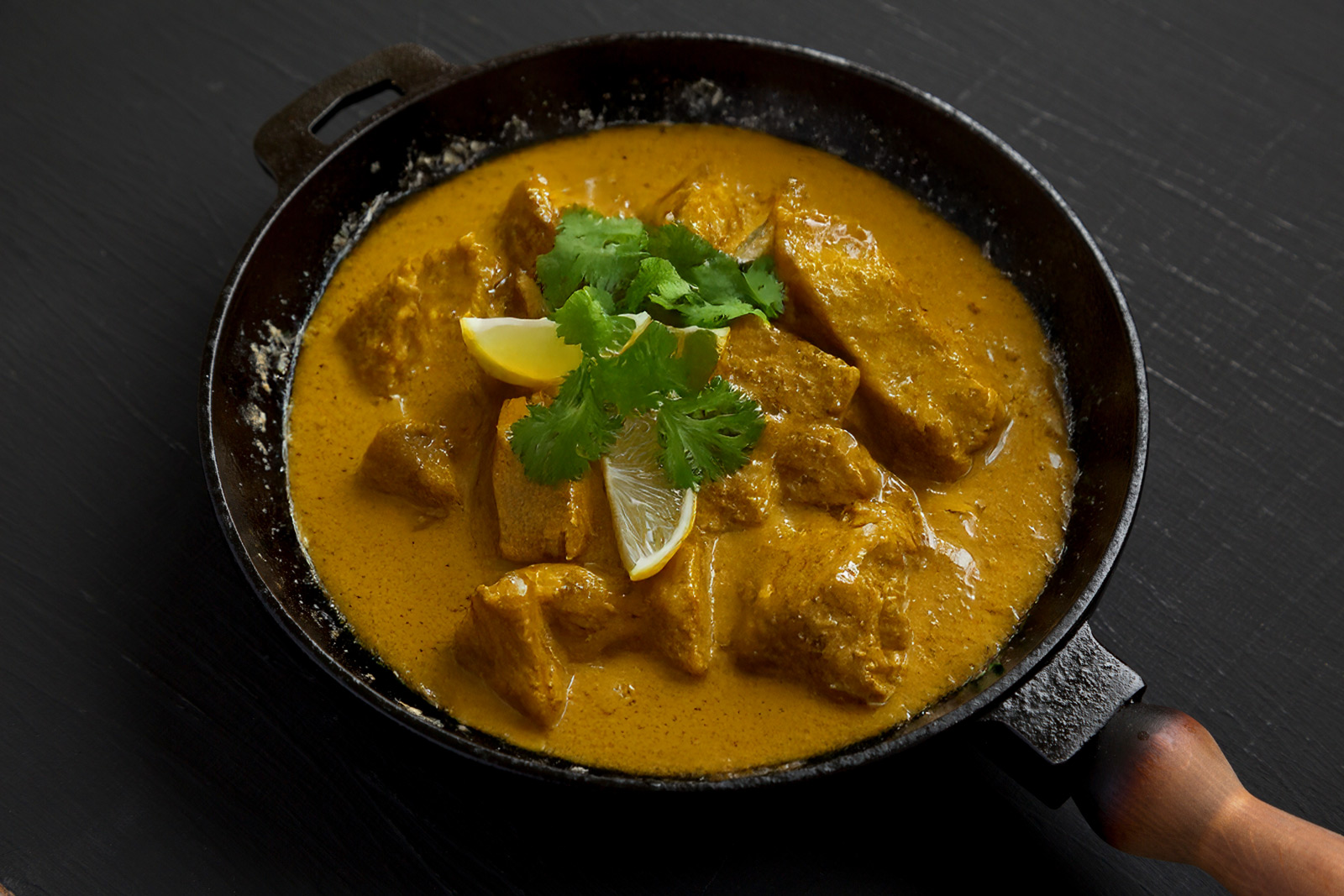
Unlock Zesty Flavor: Essential Lemon Coriander Chicken Curry Tips
The world of Indian cuisine is a vibrant tapestry of flavors, and few dishes capture a truly refreshing zest quite like a well-made lemon coriander chicken curry. This beloved dish strikes a delicate balance between the tang of lemon, the fresh herbaceousness of coriander, and the rich, savory notes of a classic chicken curry. It's a symphony for the senses, but mastering its nuances requires a few insightful tips. Whether you're a seasoned chef or a home cook looking to elevate your game, understanding the core principles behind this delightful dish can transform your cooking. This article will guide you through practical advice, essential techniques, and expert secrets to ensure your next lemon coriander chicken curry is nothing short of spectacular.Mastering the Flavor Profile: The Lemon-Coriander Dynamic
The essence of a truly exceptional lemon coriander chicken curry lies in its namesake ingredients. Achieving the perfect harmony between the bright acidity of lemon and the aromatic freshness of coriander is crucial. It’s not just about throwing them into the pot; it’s about timing, technique, and understanding their individual characteristics.Understanding Lemon Zest vs. Juice
- Lemon Zest First: The outer peel (zest) of a lemon is packed with essential oils that carry most of its aromatic flavor. Adding finely grated lemon zest earlier in the cooking process, perhaps with the initial sautéing of aromatics or even in the marinade, allows its fragrant oils to infuse throughout the dish without adding excessive acidity. This contributes a deep, underlying lemon aroma.
- Lemon Juice Last: Lemon juice, on the other hand, provides the sharp, tangy punch. It's best added towards the very end of the cooking process. High heat can cause lemon juice to turn bitter, so adding it off the heat or just before serving ensures its vibrant, fresh acidity brightens the entire curry. Start with a conservative amount and taste, adding more as needed.
- Quality Matters: Always opt for fresh lemons. Bottled lemon juice often lacks the complexity and brightness of fresh citrus.
Fresh Coriander: Leaves vs. Stems
Coriander (cilantro) is a foundational herb in this curry, contributing both freshness and a unique, slightly peppery flavor. Don't discard those stems!
- Stems for Depth: The stems of fresh coriander are incredibly flavorful and robust. Finely chop them and add them along with your ginger-garlic paste or onions during the initial sautéing. This allows their flavor to build a robust base for the curry.
- Leaves for Garnish and Freshness: The tender leaves are more delicate and provide a burst of fresh, herbaceous aroma. Reserve most of them for garnishing the finished dish or stir them in during the last minute of cooking to preserve their vibrant color and flavor.
- Toasting Coriander Seeds: For an even deeper coriander flavor, lightly toast whole coriander seeds and then grind them (or use freshly ground roasted coriander powder). This adds an earthy, warm note that complements the fresh herb beautifully.
Aromatic Spices and the Base
Beyond lemon and coriander, a good curry relies on a balanced blend of traditional Indian spices. Don't be afraid to bloom your spices in oil to release their full potential. Cumin, turmeric, garam masala, and a touch of chili powder are standard. For a deeper dive into the foundational recipe, you might find our Easy Lemon Coriander Chicken Curry Recipe Guide incredibly helpful for getting started with the basics.
Achieving Perfect Chicken Texture: Tender and Juicy
The chicken in your lemon coriander chicken curry should be succulent, tender, and infused with flavor, not dry or rubbery. This comes down to selecting the right cut, proper marination, and careful cooking techniques.Chicken Cut Choices
- Thighs are King: For a curry, boneless, skinless chicken thighs are often the superior choice. They contain more fat and connective tissue, which means they remain moist and tender even after simmering, unlike leaner breast meat which can dry out easily.
- Breast Meat Option: If using boneless, skinless chicken breast, cut it into slightly larger pieces and be mindful of not overcooking. You might consider adding it later in the simmering process.
The Power of Marinade
A good marinade not only tenderizes the chicken but also infuses it with initial layers of flavor.
- Yogurt Base: A marinade with yogurt (plain, full-fat is best) helps tenderize the chicken due to its lactic acid.
- Flavor Boosters: Include ginger-garlic paste, a squeeze of lemon juice (a small amount here is fine), a pinch of turmeric, chili powder, and salt.
- Marination Time: Marinate the chicken for at least 30 minutes, but ideally 2-4 hours in the refrigerator. Overnight marination can yield even better results.
Cooking Techniques for Tenderness
- Sear for Flavor: Before adding the chicken to the curry base, quickly sear it in a hot pan until lightly browned on all sides. This creates a flavorful crust and locks in juices. Don't cook it through, just sear.
- Gentle Simmering: Once the chicken is added to the curry, let it simmer gently. Overboiling or cooking at high heat for too long will toughen the meat. The chicken is cooked when it's no longer pink inside and easily shreds.
Crafting the Silky Curry Base: Depth and Aroma
The gravy of your lemon coriander chicken curry is what brings all the flavors together. Building a rich, aromatic, and perfectly textured base is key to a truly satisfying dish.Building the Foundation: Onions and Ginger-Garlic
- Golden Onions: Patience is paramount here. Finely chopped or pureed onions cooked slowly until deeply golden brown (caramelized) form the sweet, rich base of most Indian curries. This step cannot be rushed.
- Aromatic Paste: Add a generous amount of fresh ginger-garlic paste after the onions are almost done. Cook it for a minute or two until the raw smell disappears, but don't let it burn. This combination is the soul of your curry.
Spice Bloom and Liquid Logic
- Blooming Spices: Once the onions and ginger-garlic are ready, lower the heat and add your powdered spices (turmeric, chili powder, cumin, coriander powder). Sauté them for 30 seconds to a minute in the oil until fragrant. This "blooming" technique awakens their flavors.
- Tomato vs. No Tomato: Some variations of lemon coriander chicken curry use a minimal amount of tomato puree or chopped tomatoes for a slight tang and body, while others rely solely on the lemon for acidity. If using tomatoes, cook them down thoroughly until the oil separates, indicating their raw flavor has cooked out.
- Adding Liquid Gradually: Whether you're using water, chicken broth, or coconut milk (for a creamier variation), add the liquid gradually, stirring to combine and create a smooth gravy. This prevents lumps and helps achieve the desired consistency.
Simmering for Depth of Flavor
Once the chicken and liquids are combined, cover the pot and let the curry simmer gently. This allows the flavors to meld and deepen. The longer it simmers (within reason, usually 20-30 minutes for chicken thighs after adding them to the base), the more complex and delicious the curry will become. For an even more profound understanding of the intricacies involved, our article The Ultimate Lemon Coriander Chicken Curry Revealed offers advanced insights and techniques.
Elevating Your Lemon Coriander Chicken Curry Experience
Beyond the cooking process, how you finish and serve your lemon coriander chicken curry can significantly enhance the dining experience.Presentation Matters
- Fresh Garnish: Always finish your curry with a generous sprinkling of fresh, chopped coriander leaves. This not only adds visual appeal but also a burst of fresh flavor and aroma.
- Lemon Slices: A few thin lemon slices or wedges on the side allow diners to add extra tang to their individual servings if desired.
- A Touch of Cream (Optional): For a richer, milder finish, a swirl of fresh cream or coconut cream just before serving can add a luxurious texture and balance the acidity.
Accompaniments
The perfect side dishes can complete your meal.
- Rice: Steamed basmati rice or brown rice is the classic accompaniment, soaking up all the delicious gravy.
- Bread: Fresh naan, roti, or paratha are excellent for scooping up the curry.
- Raita: A cooling cucumber or mint raita (yogurt dip) provides a refreshing contrast to the richness of the curry.
- Salad: A simple kachumber salad (diced onion, tomato, cucumber with lemon and coriander) adds freshness and crunch.
Creative Twists
While the classic lemon coriander chicken curry is fantastic, don't shy away from small variations:
- Coconut Milk: For a creamier, slightly sweeter curry with a South Indian touch, substitute some or all of the water/broth with coconut milk.
- Green Chilies: For extra heat and a fresh chili flavor, add slit green chilies during the tempering or with the aromatics.
- Fenugreek Leaves (Kasoori Methi): A pinch of dried fenugreek leaves, crushed between your palms and added at the end, imparts a unique, slightly bitter-sweet, aromatic depth.
